

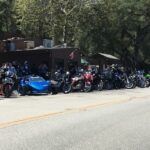
For many US veterans, the road offers something a clinic can’t: wind, rhythm, and a feeling of control. PTSD remains a heavy reality—among veterans served by the VA in fiscal year 2024, about 14% of men and 24% of women carried a PTSD diagnosis—so it’s no surprise riders look for tools that quiet the noise and reconnect them with the present.
There’s growing interest in “motorcycle therapy,” and while that phrase is more cultural than clinical, some data hint at why riding feels good. A field study led by UCLA-affiliated researchers found that a short motorcycle ride modulated attention and stress arousal, with changes in EEG patterns and stress hormones such as cortisol and DHEA-S—signals commonly associated with focus and reduced stress. The work had industry support, so interpret with care, but it’s peer-reviewed and measurable, not just folklore. Programs now build on that spark: nonprofits like Motorcycle Relief Project host structured multi-day adventure rides where veterans decompress, build skills, and connect with peers who “get it.” Community and a shared mission matter.
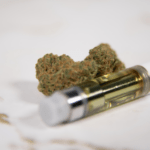
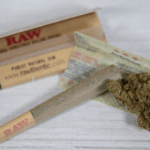
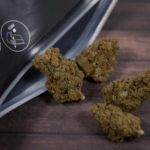
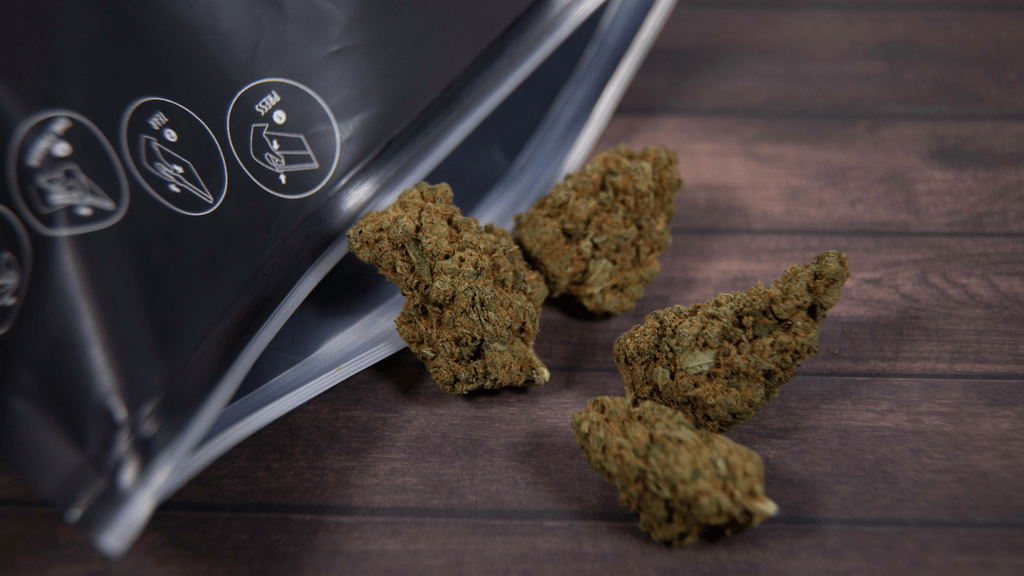
Cannabis is another tool many veterans explore. Some states specifically list PTSD as a qualifying condition, and veterans often report using cannabis to ease symptoms like nightmares, hyperarousal, or insomnia. But the official clinical guidance is cautious. The 2023 VA/DoD Clinical Practice Guideline recommends against cannabis to treat PTSD, citing limited evidence for benefit and known risks, including the potential for cannabis use disorder. Veterans will not lose VA benefits because of cannabis use, and providers can discuss it openly as part of comprehensive care—but it’s not an endorsed PTSD treatment.
Zooming out, the evidence landscape is mixed. The National Academies’ landmark review concluded that for many conditions—including PTSD—the evidence base for therapeutic cannabis remains limited, even as policies evolve and use rises. Translation: Promising anecdotes and early signals exist, but they don’t yet add up to strong, consistent proof for PTSD.
So where does that leave a veteran rider navigating PTSD?
First, keep what works—and make it safer. If riding clears your head, treat it like any wellness practice: pick routes that minimize sudden stressors, ride with trusted buddies, and favor daytime rides when symptoms like hypervigilance can spike. Consider skills refreshers or ADV courses that emphasize situational awareness and calm decision-making. Peer-led ride programs can add camaraderie and structure.
Second, talk openly with your care team. If you’re using cannabis, bring it up. VA clinicians can discuss your use without jeopardizing benefits and help you watch for interactions, dependence risk, or rebound anxiety. If sleep or nightmares are the main issue, ask about evidence-based options—from trauma-focused psychotherapies to medications—with clearer benefits in randomized trials.
Third, build a stack. Many veterans do best with layered supports: therapy, exercise, peer groups, service animals, purposeful routines—and yes, the ride that gives you 45 minutes of calm. No single lever has to do all the work.
Finally, keep expectations realistic. Cannabis may help some symptoms short-term, but it isn’t a VA-recommended PTSD treatment right now; riding can lower stress markers, but it’s not a cure. The goal is sustainable function: better sleep, fewer spikes, more days you feel like yourself—on and off the bike.
If you’re a veteran strapping on a helmet this weekend, consider pairing the ride with a check-in—on your route, your headspace, and your plan. Relief is a journey. The road is one lane of it.
Discover the Veterans Charity Ride and motorcycle therapy here.